Identifying Talent Early
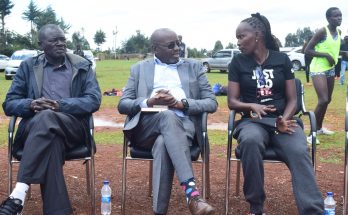
Kenya’s global reputation in distance running is legendary, but behind every medal-winning athlete is a carefully nurtured pathway that begins in schools and stretches to international arenas. As the World U20 Championships in Eugene, Oregon, approach, Barnaba Korir, NOC-K first vice president and Kip Keino Classic Continental Tour Meet Director, has highlighted the emergence of a new generation of talented young runners from across the country.
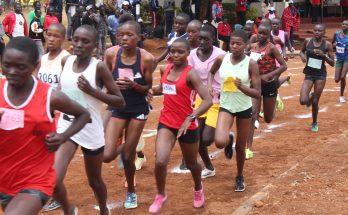
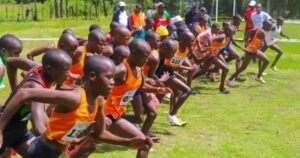
“We are impressed by the new crop of runners in the ongoing school athletics championships,” Korir said on Emoo FM. “Teachers across the country are sending us performance data and photos of young athletes, and we have trained them through Athletics Kenya to mentor students effectively.”
This approach ensures that talent is identified early, giving young athletes the guidance and technical support they need to flourish. Teachers play a crucial role as mentors, not just as coaches but as scouts who connect exceptional performers with national training programs. By embedding structured mentorship into schools, Athletics Kenya is creating a sustainable system for nurturing champions from the grassroots level.
Schools as Development Hubs
Korir emphasizes that schools are more than competition grounds—they are developmental incubators. With structured competitions and trained mentors, students learn discipline, resilience, and the skills necessary to perform on a global stage. This system also provides a clear pathway for promising athletes to progress from county-level meets to national selection.
Balancing Education and Athletics

Education remains central to this vision. Korir stressed that balancing academics with elite sports is vital for long-term success. “We ensure young athletes embrace education while pursuing running careers. Our NCAA student-athletes—Festus Lang’at, Brian Tinega, Gladys Chepngetich, and Rosemary Longisa—are proof that world-class training combined with education produces champions,” he said.
These student-athletes in the US collegiate system exemplify the benefits of structured education programs. Access to standard indoor facilities, advanced coaching, and organized competitions abroad provides a competitive edge that complements their academic growth. Unlike local facilities, which are often limited in infrastructure and scope, NCAA programs offer exposure to high-performance environments that sharpen skills, reduce early burnout, and instill professionalism.
A Holistic Approach to Athlete Development
Korir noted that the combination of school mentorship, education, and international training pathways ensures that Kenya’s athletes are well-rounded. They not only compete at the highest level but also acquire education that prepares them for life beyond sports. This holistic approach strengthens both individual potential and the broader athletic ecosystem.
With the World U20 team selection underway, Kenya is demonstrating that nurturing champions requires more than natural talent—it demands mentorship, education, and access to world-class facilities.
Investing in the Future
As Korir summarized, “Supporting our youth is about more than medals; it’s about building a system where talent, discipline, and education intersect to produce the next generation of Kenyan champions.”
By combining grassroots mentorship, structured school competitions, and international exposure, Kenya is not only identifying the next wave of global stars but also ensuring they are equipped with the education and skills to thrive both on and off the track.