New digital platform links athletes, coaches, managers and officials in a move aimed at improving transparency, protecting athletes and rebuilding confidence in Kenyan athletics.
By Copperfield Lagat
ELDORET, Kenya — Athletics Kenya (AK) has unveiled a new digital platform designed to transform athlete management while reinforcing the country’s efforts to restore confidence in the integrity of Kenyan athletics.
The Riadha Connect Athletes Hub, launched in Eldoret on Tuesday, will bring together athletes, coaches, managers, race organisers and other stakeholders on a single digital platform to streamline communication, improve service delivery and enhance transparency across the sport.
The launch comes as Kenya continues efforts to rebuild its international reputation following a series of doping cases that placed the country under heightened global scrutiny.
Modernising athletics management
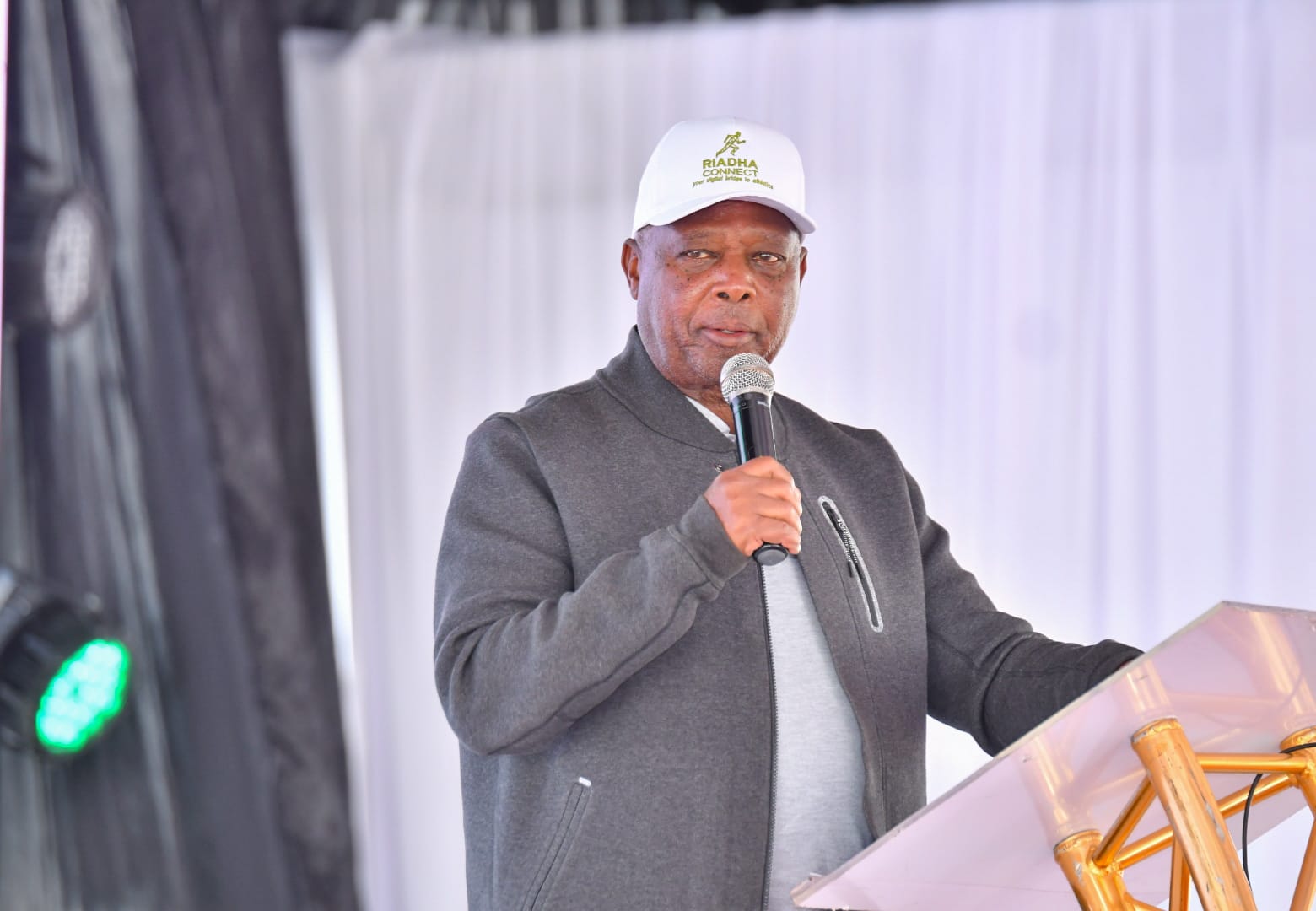
Speaking during the launch, Athletics Kenya President Lt. Gen. (Rtd.) Jackson Tuwei described the platform as a major step towards modernising the federation’s operations.
“Kenya has built remarkable performances over the years. However, while we celebrate these achievements, the future demands transparent systems to support our athletes. This is a bold step towards modernising and consolidating all our services,” said Tuwei.
He said the platform will also help safeguard athletes by improving monitoring systems that can support efforts to prevent gender-based violence and other rights violations within sport.
The initiative follows growing calls for stronger athlete protection mechanisms following the killing of Kenyan distance runner Agnes Tirop in 2021.
Improving accountability and athlete services
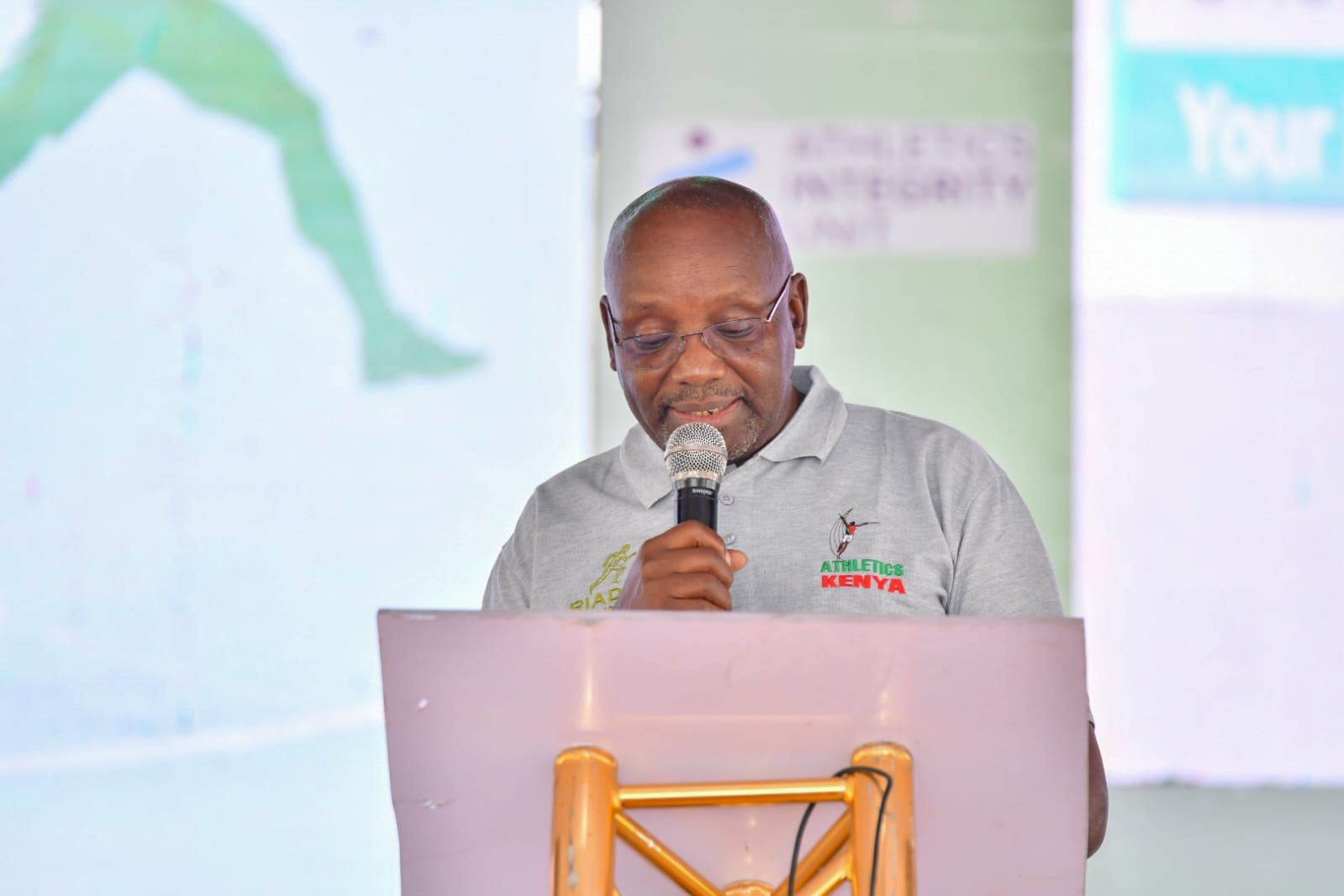
National Olympic Committee of Kenya (NOC-K) Vice President Barnaba Korir said the portal introduces greater accountability by formally linking athletes with their coaches and managers through a verification process.
“The portal creates a direct and accountable relationship between athletes and their managers. An athlete registers a manager, who then confirms or declines the association. This eliminates disputes over athlete representation and coaching,” Korir said.
He added that the system will also simplify administrative processes by allowing athletes to apply online for services such as visa clearance letters, eliminating the need to travel to Athletics Kenya headquarters in Nairobi.
More than 13,000 athletes have already been registered on the platform, which will also enable coaches, managers and race organisers to monitor athletes’ performance progression before selecting them for competitions or signing them to management contracts.
Supporting Kenya’s clean sport agenda

Anti-Doping Agency of Kenya (ADAK) Chairperson Maj. Gen. (Rtd.) Aphaxard Muthuri Kiugu said rebuilding Kenya’s credibility in international athletics requires collective responsibility from all stakeholders.
Marathon legend Eliud Kipchoge said the digital platform complements Kenya’s wider efforts to promote clean sport and strengthen trust in athletics.
“An athlete runs for two reasons—to compete and to earn trust. Records are important, but credibility comes from competing clean. Integrity is what builds lasting trust,” Kipchoge said.
He acknowledged that Kenya has endured intense scrutiny over doping but said collaboration among the government, sports institutions and athletes has helped the country make significant progress.
“The system gives athletes confidence by making information easily accessible and strengthening interaction with stakeholders for better decisions and guidance,” he added.
Athletes Integrity Unit representative Thomas Capdevielle welcomed the initiative, saying the centralised database would support Kenya’s journey towards restoring credibility.
“We have worked with Kenya for a long time. This database will also assist in the journey to credibility in Kenyan athletics. It also makes it easier for investors to access information, both internally and externally,” he said.
Other stakeholders said the platform could also strengthen anti-doping efforts by enabling more targeted testing and improving access to athlete information.
Boosting athlete development
Former world 800 metres champion Janet Jepkosgei said the system will help nurture young talent by improving communication between athletes, coaches and managers while allowing closer monitoring of athletes’ development.
Olympic steeplechase champion Ezekiel Kemboi welcomed the move, saying it will save athletes valuable training time.
“We used to travel to Nairobi to get the requisite papers and clearance, but systems are now being developed to help us spend more time training rather than travelling,” Kemboi said.
Coaches also believe the platform will improve talent identification and long-term athlete development.
Coach Japheth Kimutai said the integrated management system would help reduce disputes over athlete representation while providing better data for coaches.
John Ewoi said access to competition data would enable coaches to identify opportunities in different events.
“If I can see how many athletes are competing in the 10,000 metres, I can identify gaps and make informed coaching decisions,” he said.
Athlete Edward Cheserek said the platform will also make it easier for athletes to track race calendars and plan competition schedules with their coaches.
Sports manager Thomas Portzinger of ASICS said the system will enable managers to identify promising talent by monitoring athletes’ progression over time.
A new chapter for Kenyan athletics
With thousands of athletes already enrolled, Athletics Kenya says the Riadha Connect Athletes Hub marks the beginning of a more transparent, efficient and accountable era for the country’s athletics ecosystem.
By digitising athlete services, strengthening governance and supporting clean sport, the federation hopes the platform will not only improve athlete welfare and performance management but also help restore Kenya’s standing as one of the world’s leading athletics nations.